Artificial Intelligence has evolved from being an experimental capability to a strategic necessity. Enterprises today are asking where AI will create the most measurable impact. One of the most transformative, yet often underestimated, areas where AI is reshaping decision-making is location intelligence.
Every business operates in a physical world. Customers live somewhere, assets are deployed somewhere, services are delivered somewhere, and opportunities emerge somewhere. Yet for years, location was being treated as a static attribute rather than a source of intelligence. AI is changing that perspective.
Why Location Intelligence Is Becoming a Strategic Priority
Industry research and reports by reputed organization suggests that more than 80% of enterprise data contains a location element, whether it’s a customer address, a service area, a delivery route, or a sales territory. Despite this, much of this data is still analyzed in spreadsheets and dashboards that remove geographic context.
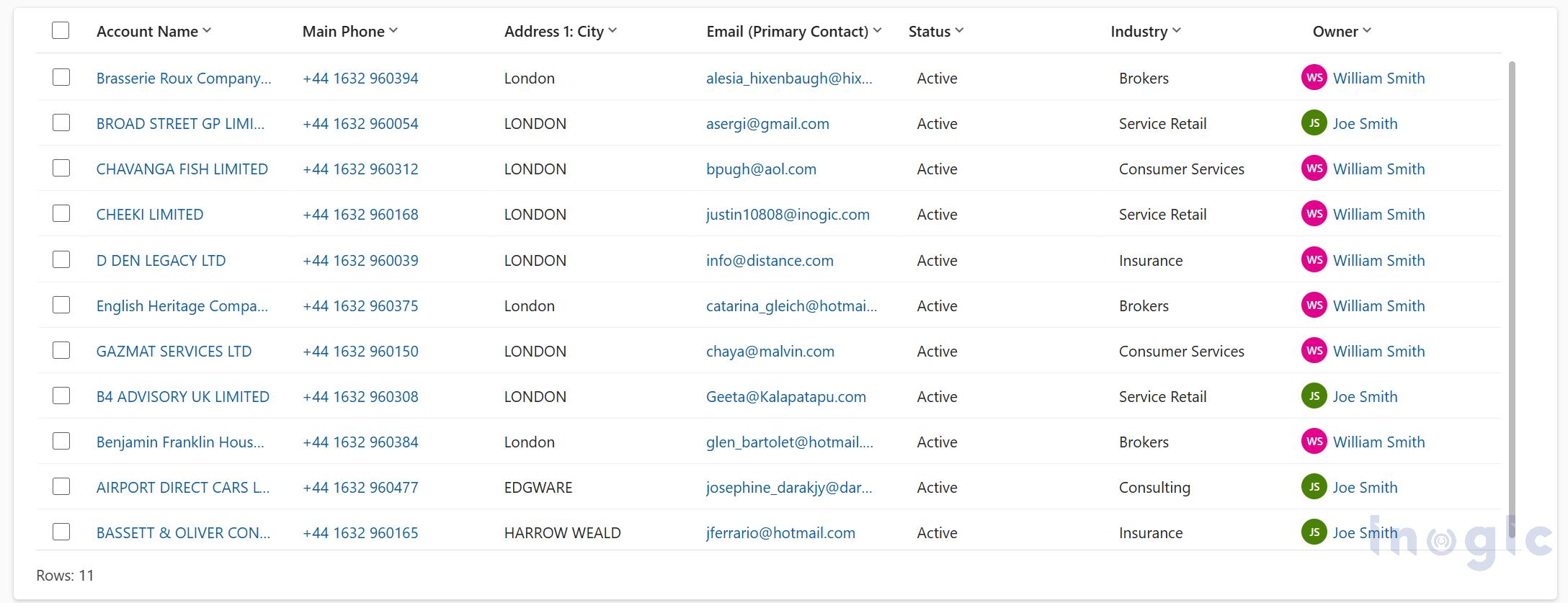
When location is reduced to a text field, businesses lose the ability to see patterns. Revenue concentration, service delays, sales coverage gaps, and operational inefficiencies often become obvious only when data is viewed spatially. Location intelligence restores that missing dimension, and AI enhances it by finding patterns faster than humans can calculate.
The Role of AI in Evolving Location Intelligence
Traditional location intelligence tools focused on visualization. Maps showed where things were, but interpretation and decision-making remained manual, in the hands of humans. AI introduces a fundamental shift by enabling systems to learn from spatial data, identify trends, and even suggest actions.
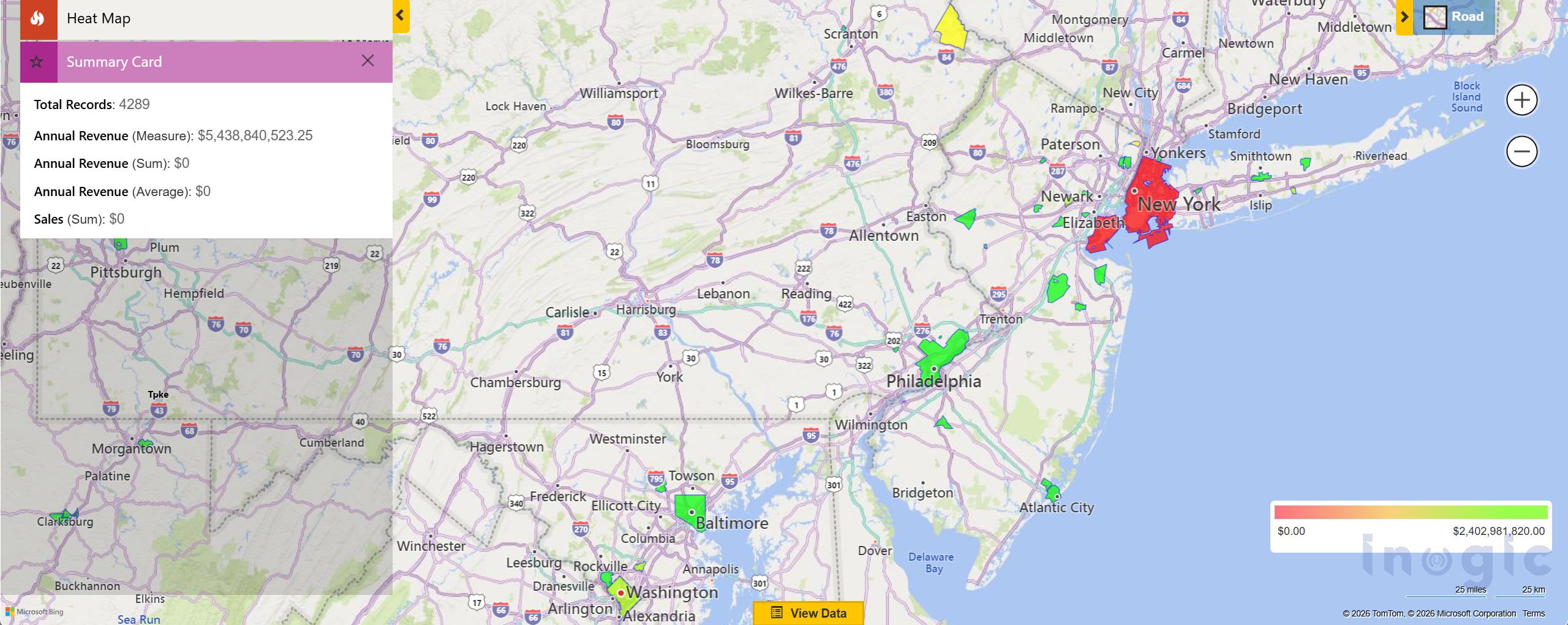
With AI, location intelligence platforms can analyze historical patterns, recognize anomalies, and adapt recommendations. Instead of asking users to interpret maps manually, AI highlights what matters most. This evolution is particularly valuable in complex environments where decisions must be made quickly and repeatedly.
Adoption Trends Show Real Business Impact
The adoption of AI-driven location intelligence is no longer limited to innovation-driven enterprises. Across industries such as retail, manufacturing, logistics, and professional services, organizations are embedding spatial intelligence into daily operations.
Studies show that companies using AI-enhanced analytics experience faster decision-making cycles, improved operational efficiency, and better customer engagement outcomes. Field-based teams, in particular, benefit from AI-driven routing, territory planning, and proximity-based insights that reduce time spent on manual planning.
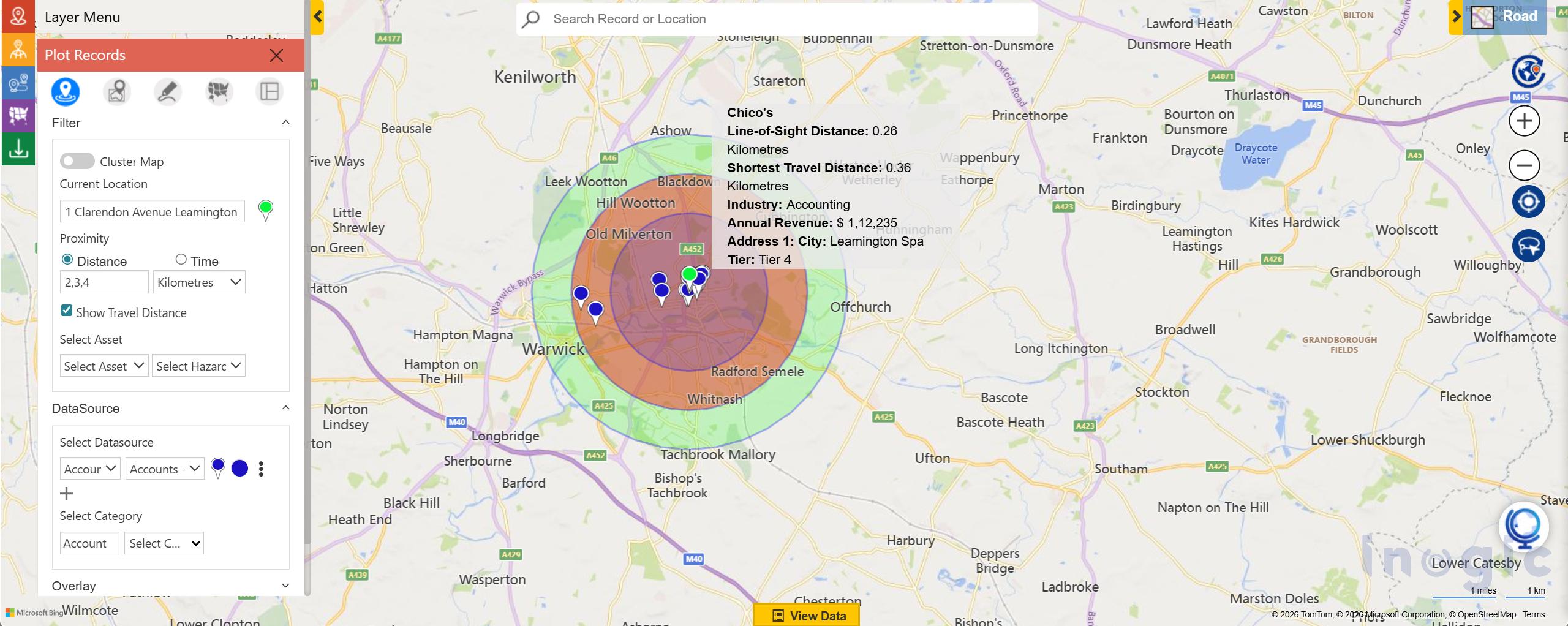
What stands out is that AI adoption is most successful when it is integrated into existing business systems rather than deployed as a standalone tool.
Why CRM Systems Need Location Intelligence
CRM platforms are central to how businesses manage customers, sales pipelines, and service operations. However, most CRM analytics are still fundamentally non-spatial. Reports show performance metrics, but rarely explain geographic behavior.
When AI-powered location intelligence is embedded into CRM systems, data becomes far more actionable. Sales teams can understand which regions are performing better, service teams can identify geographic demand trends, and leadership can assess performance through a locational lens rather than isolated numbers.
This integration transforms CRM from a reporting system into a decision-support platform.
Usability as the Missing Link in AI Adoption
One of the biggest challenges with analytics adoption has always been usability. Even powerful tools fail when they require technical expertise to operate. AI changes this dynamic through natural language interaction.
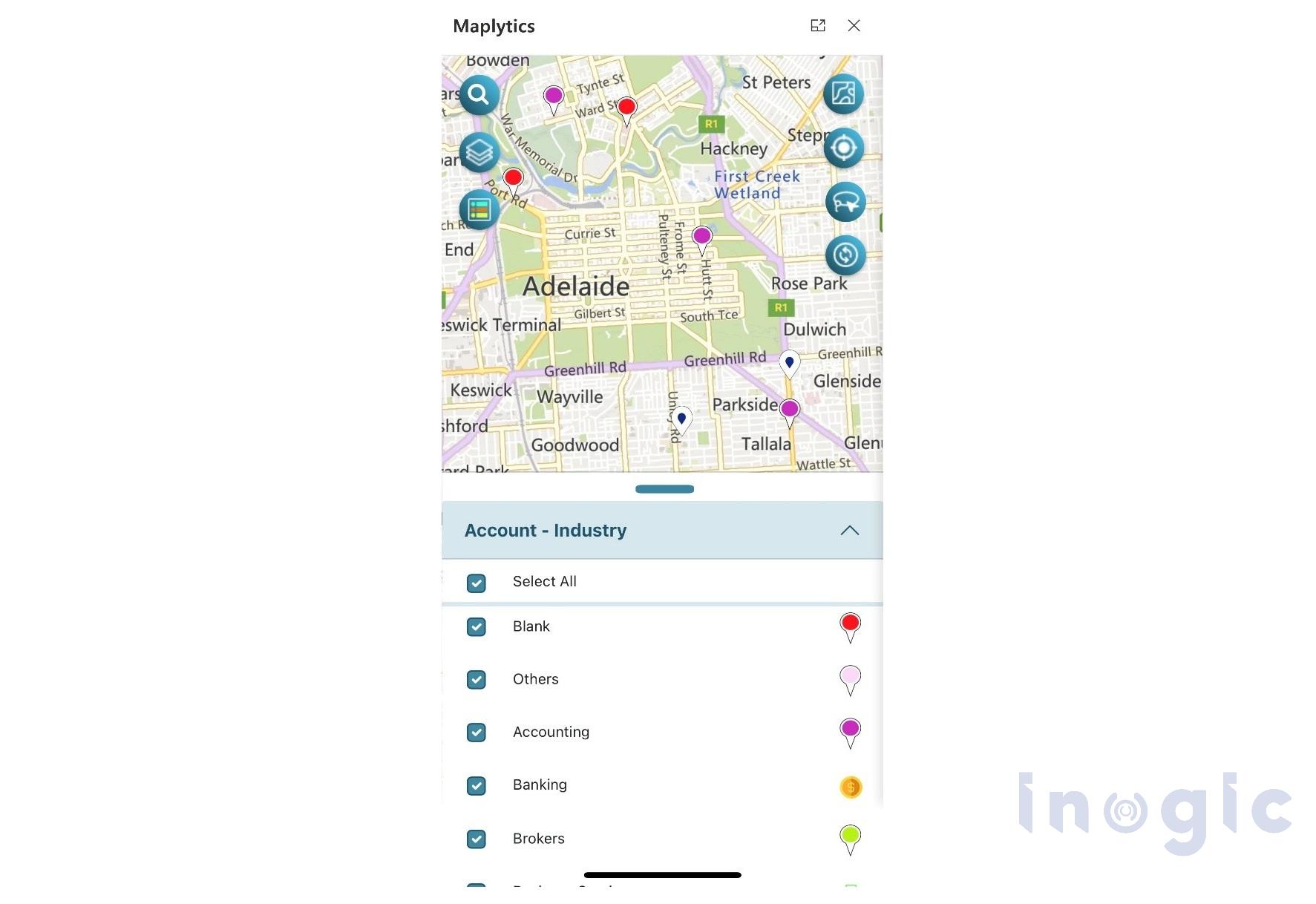
When users can ask questions instead of navigating filters and reports, insights become accessible to a much wider audience. This conversational approach lowers the barrier to adoption and ensures that intelligence reaches decision-makers at the moment it is needed, including in mobile and field scenarios.
Enterprise Expectations Around AI
While interest in AI is high, enterprises remain cautious. Concerns around data security, governance, and system integrity continue to influence adoption decisions. Businesses need AI solutions that operate within trusted ecosystems, respect role-based access, and use real-time data without duplication.
This reality has shifted focus from experimental AI to AI-ready platforms, systems designed to evolve responsibly while delivering immediate value.
How Maplytics Aligns with This Shift
Maplytics was built with the understanding that location intelligence must be practical, secure, and deeply integrated into business workflows. By embedding geo-analytics directly into Microsoft Dynamics 365 and Dataverse, Maplytics enables organizations to work with spatial intelligence without leaving their CRM environment.
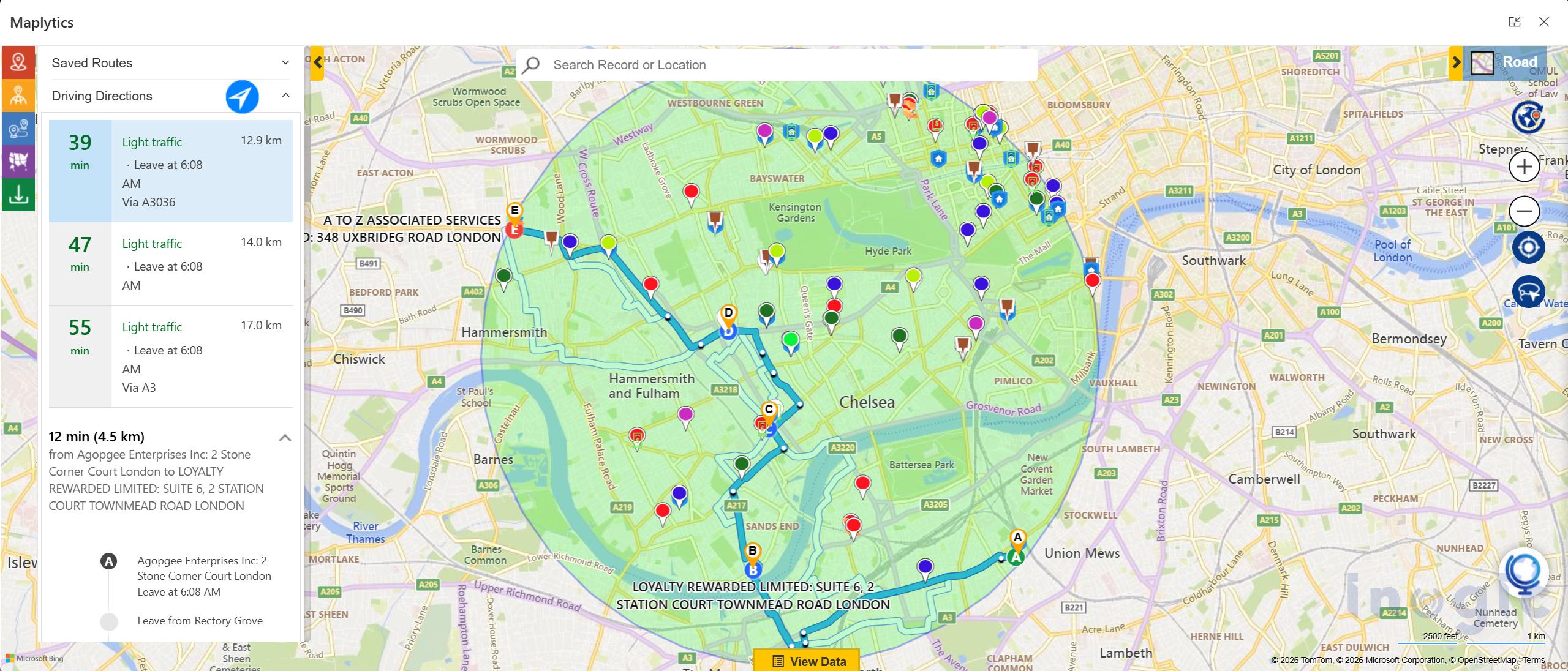
This approach ensures that location insights are not siloed but actively contribute to sales, service, and operational decision-making.
MapCopilot and the Move Toward Intelligent Assistance
The introduction of MapCopilot reflects a broader shift toward AI-assisted operations and decision-making. MapCopilot adapts analytics to users, as per their convenience.
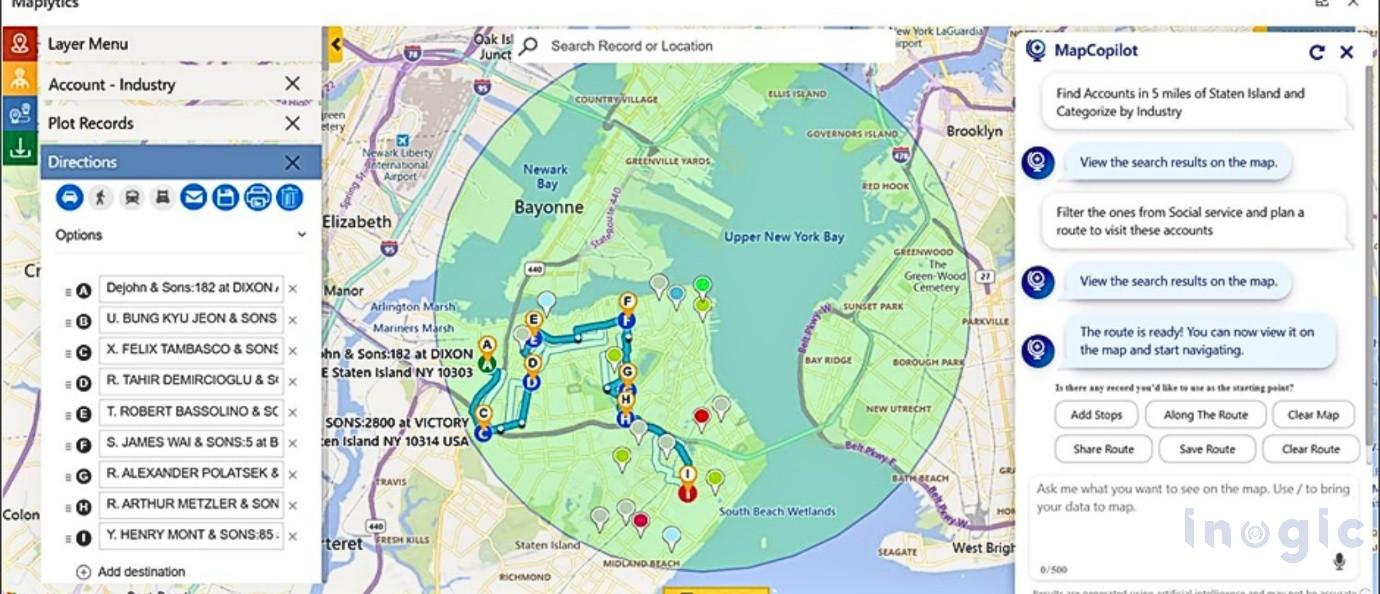
By enabling natural language interaction with CRM maps, MapCopilot helps users discover insights, visualize data, and act faster, whether they are in the office or on the move. This aligns with the growing demand for AI systems that assist rather than overwhelm.
Being AI-Ready, Not AI-First
Being “AI-first” is less important than being AI-ready. Businesses need platforms that can evolve as AI capabilities mature, without disrupting governance, security, or workflows.
Maplytics and MapCopilot follow this philosophy by integrating AI thoughtfully, enhancing location intelligence while maintaining enterprise-grade reliability.
Looking Ahead
As markets become more competitive and operations more complex, understanding where things happen becomes just as important as understanding what happens.
Organizations that embrace AI-driven geographic intelligence will gain clearer visibility, faster decisions, and more resilient operations. Those who don’t risk making decisions in a world that no longer reflects reality.
What’s More?
Maplytics with MapCopilot is available for Dynamics 365, Power Apps, Power Pages, and Dataverse. Organizations interested in its adoption, 15-day free trials, or personalized demos are encouraged to contact Maplytics’ sales team at crm@inogic.com
For more information, visit our website or Microsoft Marketplace. One can hop to the detailed Blogs, Client Testimonials, Success Stories, Industry Applications, and Video Library for quick query resolution.