 If you’ve ever worked in sales, you know this feeling-
“A long drive for a meeting that’s canceled at the last minute, back-and-forth visits to nearby prospects on different days, or losing deals not because the product lacked value but simply because you arrived late or were overwhelmed by logistical hassles”.
Selling today is more about planning smarter, prioritizing wisely, and being in the right place at the right time.
Modern sales teams are drowning in tasks that take time away from actual selling. Research suggests that sales reps spend a large portion of their day on non-selling activities like-
- route planning,
- updating CRM records, and
- deciding who to visit next
In contrast, organizations that leverage location-based insights and analytics see significant productivity and performance improvements by working smarter. This shift has transformed the definition of an effective sales strategy from what you sell to where and when you sell, and how efficiently you reach prospects and customers in the field.
Below are five sales strategies rooted in real-world experience that sales teams can implement immediately to improve efficiency, close more deals, and reduce wasted effort.
1. Think Geographically, Not Just Alphabetically
Many sales teams believe they have territories, but few actually use them effectively. In traditional sales operations, territory assignments often exist only as abstract lists in a CRM, with reps having a vague sense of which areas they are supposed to cover. This leads to internal confusion, overlapping account ownership, missed opportunities, and cannibalization, in worst cases, when teams aren’t sure who owns what.
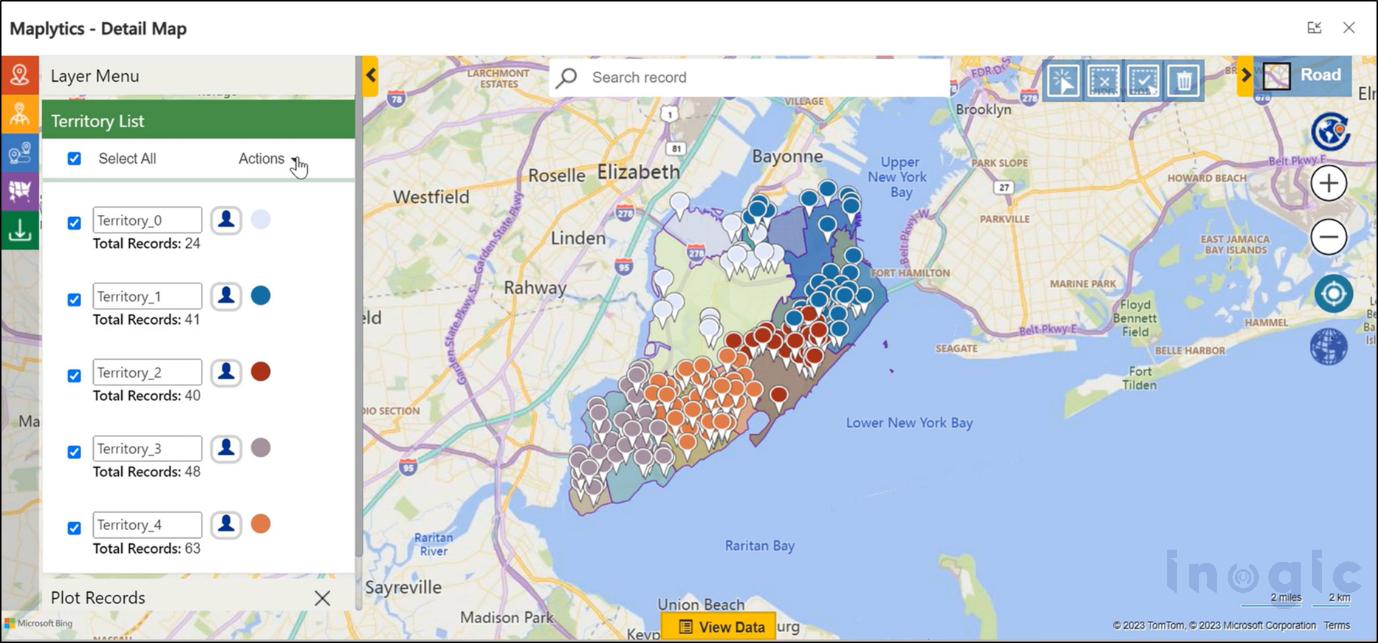 When sales leaders started visualizing territories on a map instead of relying on lists, everything changed. Suddenly, it became obvious where high-value prospects were clustered, which areas were underserved, and which accounts belonged to which salesperson. Territory management transformed vague lists into clear visual boundaries, allowing sales reps and managers to instantly understand coverage without ambiguity. It resolved internal friction, ensured fair distribution of accounts, and prevented unnecessary travel or confusion over ownership. By embracing territory visualization, teams could respond to prospects more quickly, ensure coverage consistency, and reduce burnout by equalizing workloads.
| You can download a 15-day free trial of Maplytics now and experience the tool in your environment! |
2. Treat Route Planning as a Core Sales Skill
Route planning is often seen as a logistical problem, something sales reps have to “just deal with.” The reality is that without thoughtful planning, a rep’s schedule can become chaotic, with meetings scattered across the map in inefficient patterns. Poor routing not only wastes fuel and time but also leads to exhausted reps and fewer meaningful interactions with prospects.
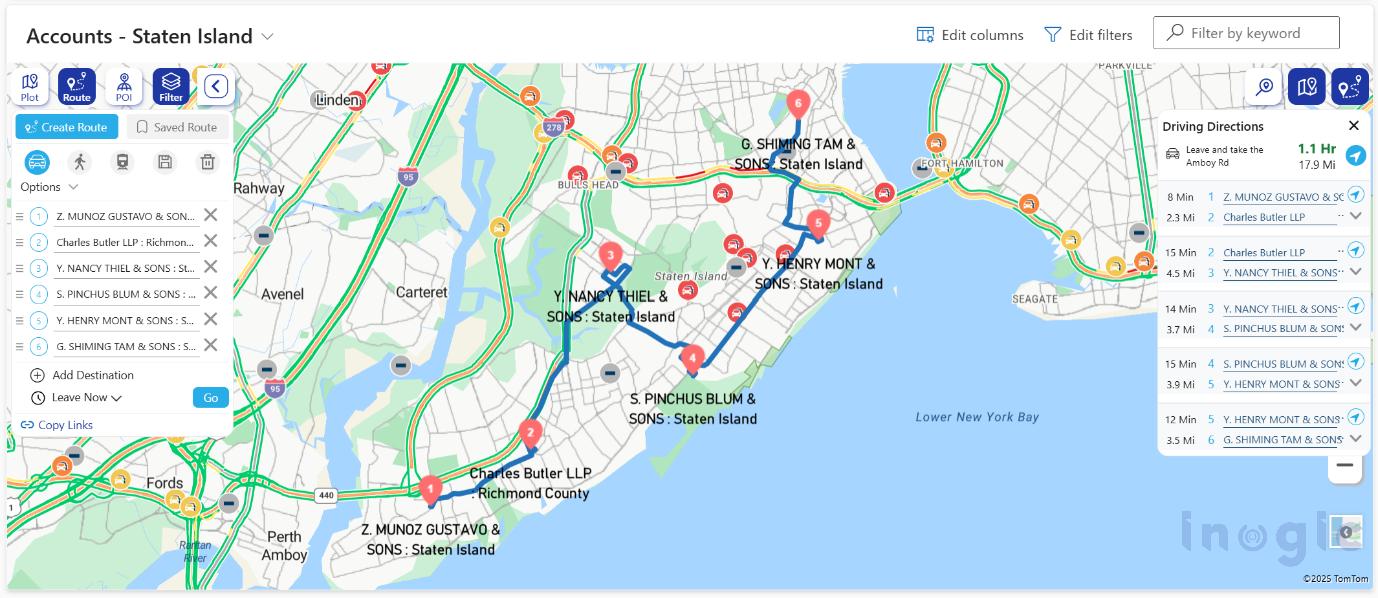 In contrast, when route planning becomes a regular part of a rep’s routine, productivity naturally climbs. Optimized multi-stop routing helps reps avoid traffic bottlenecks, reduce backtracking, and compress what would be a long day of travel into a more focused and productive schedule. One real-world story illustrates this perfectly. A field rep who previously could fit only three client visits into a day was able to see five, simply by clustering appointments and planning an efficient route. Smart route planning is about enabling sales teams to focus on selling rather than navigating. Integrated route optimization also cuts fuel and travel costs, increases daily visit capacity, reduces fatigue, and boosts punctuality, leading to better sales outcomes and improved morale.
3. Prioritize What’s Close to You
It’s common for sales professionals to chase big leads that are geographically distant, overlooking potential opportunities right in their immediate vicinity. Historically, many teams filter prospects by industry, deal size, or stage, without considering the role location plays in sales efficiency and success. Ignoring geographic proximity means missed chances to build relationships quickly and efficiently.
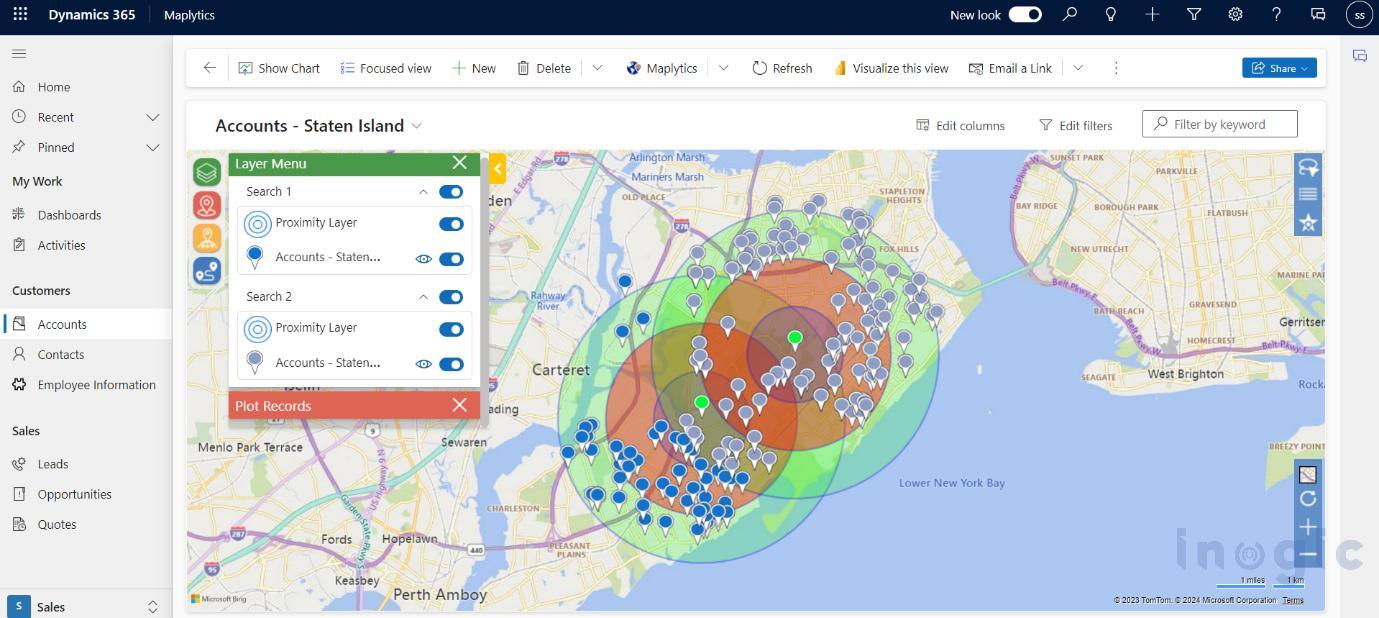 Adopting a location-aware selling approach changes that. By easily identifying leads, accounts, or opportunities near the rep’s current location, teams can make better use of their time and energy. Shorter travel distances mean faster follow-ups, more face-to-face meetings, and higher meeting acceptance rates. For example, between two scheduled visits, a rep identified multiple warm leads within close range, fitting in extra visits that led to faster deal closures. Selling what’s nearby helps teams maximize productivity, make themselves more available, and build stronger relationships through frequent, timely interactions.
4. Use AI to Answer “What Should I Do Next?”
Sales reps instinctively ask themselves multiple times a day, “What should I do next?” This decision fatigue arises from constantly switching between tools, reports, and dashboards in hopes of finding the next best action. It’s inefficient and takes focus away from core selling activities.
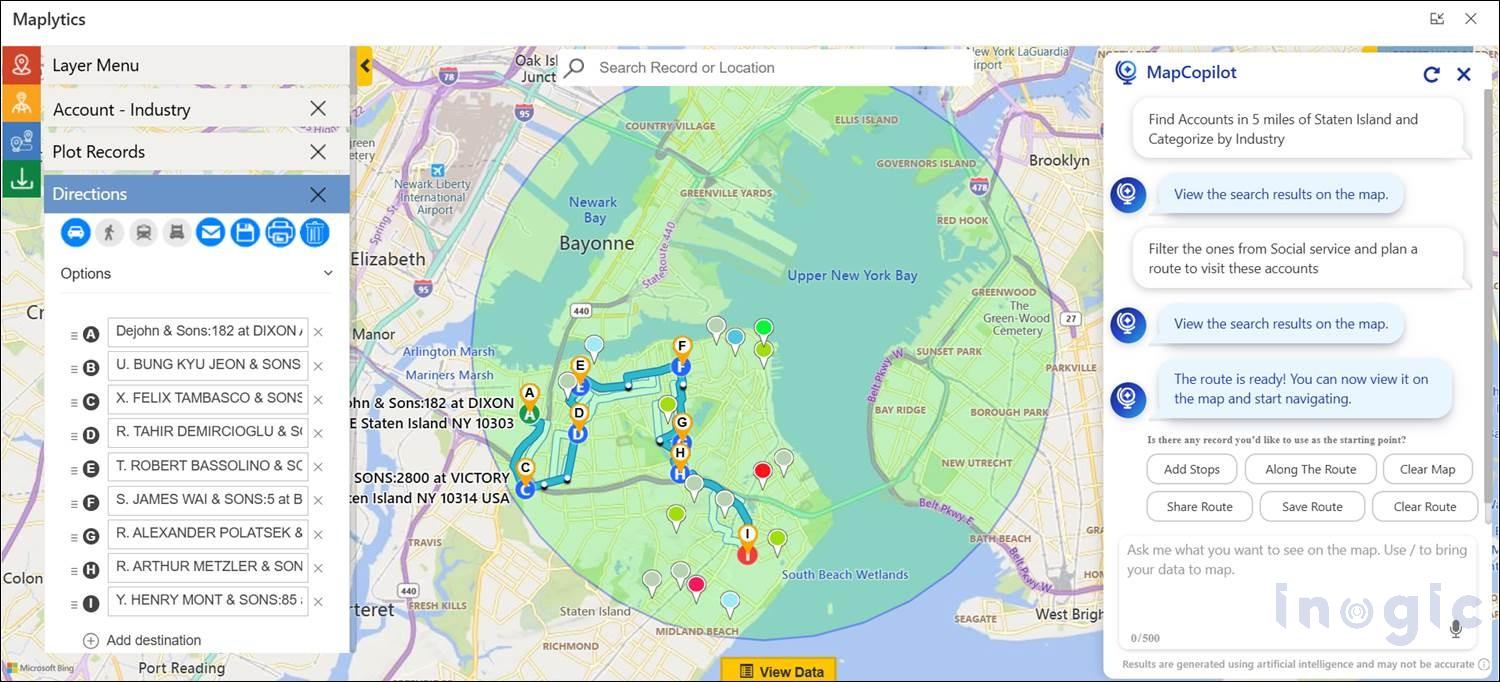 That’s where AI-powered assistants come in. Instead of manually filtering through dashboards, reps can interact with smart tools that instantly surface insights based on natural language requests. For example, they might ask to “show nearby leads,” “plot today’s travel route,” or “find accounts within a 20-minute drive.” The system responds immediately with actionable results, helping reps make faster, more informed decisions in the moment. This level of automation reduces planning time significantly, keeps reps focused on selling, and makes advanced insights available to every member of the team, regardless of technical expertise. AI-driven mapping assistants help sales teams reduce manual effort, gain instant insights, and stay agile in their decision-making process.
| MapCopilot is an AI-powered assistant in Maplytics that helps you instantly find nearby CRM records, plan routes, and get map insights using simple natural-language prompts. Try MapCopilot within Maplytics’ 15-day free trial and see how easy smarter, location-based decisions can be. |
5. Turn CRM Data into Visual Stories
Sales teams generate vast amounts of data in their CRM systems, but raw data rarely reveals patterns on its own. Rows of numbers and tables can tell what happened, but they don’t explain where opportunities exist or why certain trends emerge. That’s why integrating visual analytics becomes a powerful differentiator.
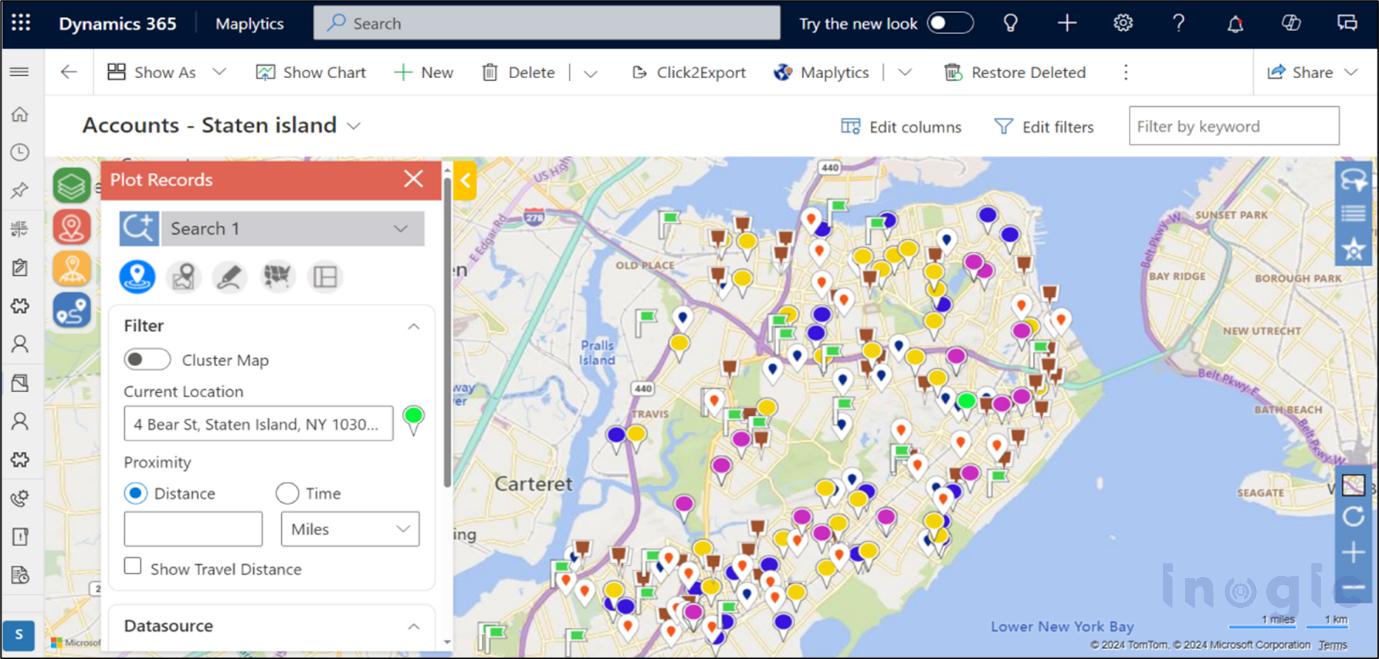 Maps transform CRM data into visual stories. By plotting records geographically, sales teams can easily spot clusters of closed deals, regions with long sales cycles, or areas with high potential but low engagement. This visual context brings clarity to complex datasets and helps teams re-prioritize outreach strategies effectively. For instance, a sales rep analyzing heat maps and territory performance could identify neglected zones with significant potential and adjust their strategy accordingly, leading to a more balanced pipeline and more accurate forecasting. Visual analytics not only uncovers hidden insights but also enables more confident, data-driven decisions.
Modern Sales Success Starts with Location Strategy
Today’s most effective sales strategies combine data and context. Territory clarity, optimized routing, proximity-aware selling, AI-assisted insights, and geographic visualization are fundamental capabilities that differentiate high-performing teams from the rest. Sales organizations that adopt location intelligence are better positioned to sell smarter, move faster, and achieve consistent results with less stress. As teams move beyond traditional spreadsheets and static lists, they gain a deeper understanding of where their customers are, helping them answer the critical question of “where should I be right now?
What’s More?
Maplytics is available immediately as part of the for Dynamics 365, Power Apps, Power Pages, and Dataverse. Organizations interested in adoption, 15-day free trials, or personalized demos are encouraged to contact Maplytics’ sales team at crm@inogic.com
For more information, visit our website or Microsoft Marketplace. One can hop to the detailed Blogs, Client Testimonials, Success Stories, Industry Applications, and Video Library for quick query resolution. Technical docs for the working of Maplytics are also available for reference.
Kindly leave us a review or write about your experience on the Marketplace or the G2 Website.